
240-Month vs 180-Month Home Improvement Financing: Why Longer Terms Save Money
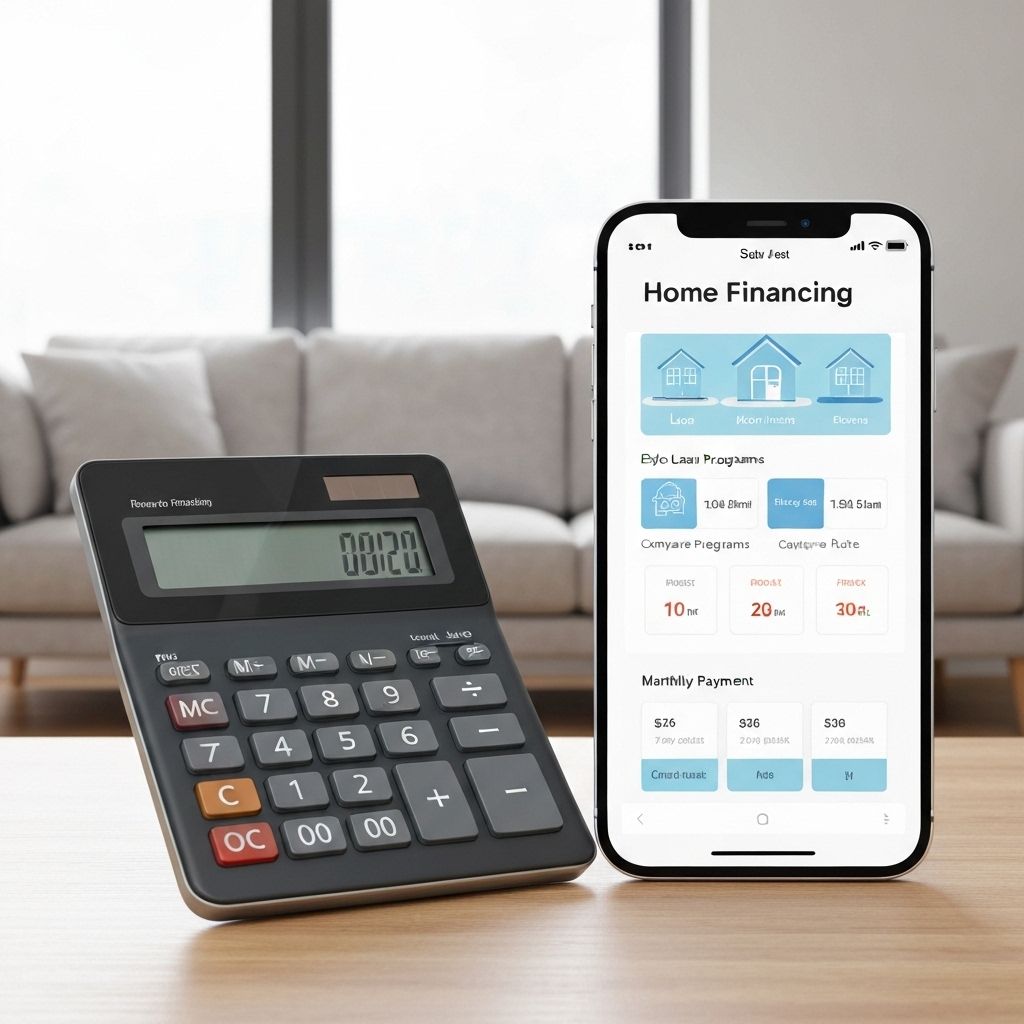
240-Month vs 180-Month Home Improvement Financing: Why Longer Terms Save Money
Most home improvement contractors in North Carolina offer 180-month (15-year) financing as their longest payment plan. We offer 240-month (20-year) financing - 5 years longer than our competitors. This isn't just a marketing gimmick; it fundamentally changes what projects become affordable and how much home improvement you can accomplish. Here's why longer financing terms make sense for most Fayetteville, Raleigh, and Durham homeowners.
The Math: Monthly Payments Comparison
Let's compare real-world scenarios for common projects:
$15,000 Roof Replacement (6.99% APR)
180-Month Financing: $135/month 240-Month Financing: $114/month
Savings: $21/month = $252/year Over 15 years: You save $3,780 in the first 15 years
$25,000 James Hardie Siding (6.99% APR)
180-Month Financing: $225/month 240-Month Financing: $191/month
Savings: $34/month = $408/year Over 15 years: You save $6,120 in the first 15 years
$40,000 Complete Exterior Renovation (6.99% APR)
180-Month Financing: $360/month 240-Month Financing: $306/month
Savings: $54/month = $648/year Over 15 years: You save $9,720 in the first 15 years
Why Lower Monthly Payments Matter More Than Total Interest
Most financial advice focuses on "total interest paid over loan life" - and yes, 240-month loans accumulate slightly more interest than 180-month loans. But this perspective misses three critical points:
1. Cash Flow Flexibility
Lower monthly payments provide breathing room in your budget:
- Handle unexpected expenses without stress
- Maintain emergency fund
- Continue other investments (retirement, kids' college)
- Avoid feeling "payment trapped"
Example: $50/month savings = $600/year to handle HVAC repairs, medical bills, car issues, etc.
2. Inflation Works in Your Favor
A $264 monthly payment in 2026 feels different than $264 in 2036:
- With 3% average inflation, $264 in 2036 has the purchasing power of $196 today
- Your payment stays flat while your income (hopefully) increases
- Fixed-rate loans become "cheaper" over time
3. You Can Always Pay Extra
240-month loans don't require 240 months:
- Make extra principal payments anytime (no prepayment penalty)
- Pay it off in 180 months if you want
- Having flexibility is valuable even if you don't use it
You can convert a 240-month loan into a 180-month loan by paying extra. You can't convert a 180-month loan into a 240-month loan when money gets tight.
The "Do More Now" Advantage
Lower payments mean you can afford bigger/better projects immediately:
Scenario: You Have $400/Month Budget for Home Improvements
With 180-Month Financing (at 6.99% APR): Maximum project: $44,400
- Enough for roof OR siding OR deck
- Choose one, wait years for others
With 240-Month Financing (at 6.99% APR): Maximum project: $52,400
- Enough for roof + gutters + siding
- Or complete deck + windows
- Do multiple projects now while contractors are on-site
Doing multiple projects together saves money:
- Mobilization costs spread across projects
- Material bulk discounts
- No need to re-do permits later
- Everything matches and coordinates
When 180-Month Financing Makes More Sense
Shorter terms are better when:
- You plan to sell soon (within 5-10 years) - pay down faster before selling
- Interest rates are high (8%+) - minimize interest accumulation
- You have unstable income - pay off debt faster to reduce long-term risk
- You prioritize being debt-free - psychological benefit outweighs financial optimization
For most homeowners in stable situations, 240-month financing provides better financial flexibility.
Real Interest Cost Comparison
Let's be transparent about total interest paid:
$25,000 James Hardie Siding Project at 6.99% APR
180-Month Financing:
- Monthly payment: $225
- Total paid: $40,500
- Total interest: $15,500
240-Month Financing:
- Monthly payment: $191
- Total paid: $45,840
- Total interest: $20,840
Extra interest for 240 months: $5,340 over 20 years = $267/year
Is $267/year worth:
- $34/month lower payments?
- $408/year cash flow savings in early years?
- Flexibility to handle emergencies?
- Option to upgrade to better materials?
For most homeowners: Yes.
Hidden Costs of Shorter-Term Financing
Focusing only on "total interest paid" ignores hidden costs of higher monthly payments:
Opportunity Cost
That extra $32/month ($384/year) could:
- Earn 7% in retirement account = $11,500 over 20 years
- Pay for annual HVAC maintenance preventing $5,000 replacement
- Fund emergency fund preventing high-interest credit card debt
Project Compromise Cost
Higher monthly payments force compromises:
- Choose cheaper materials (vinyl vs James Hardie)
- Reduce project scope (smaller deck, fewer windows)
- Skip beneficial upgrades (insulation, better windows)
Example: Choosing vinyl siding ($10,000) over James Hardie ($25,000) saves $99/month with 180-month financing. But vinyl needs replacement in 20-25 years while James Hardie lasts 50+ years. You'll pay for two vinyl sidings over 50 years = $20,000+ vs one James Hardie = $25,000.
Delay Cost
Waiting years between projects costs money:
- Multiple contractor mobilizations ($1,000-2,000 each)
- Separate permits and inspections
- Additional material waste (can't bulk order)
- Projects don't coordinate aesthetically
- Storm damage while waiting (insurance deductibles)
Doing it all at once with 240-month financing often costs less total than doing it piecemeal with cash or shorter loans.
How We Structure 240-Month Financing
Our 240-month financing works through select lenders specializing in home improvement:
Qualification Requirements
We work with ALL credit types - Don't let credit concerns stop you from improving your home.
- Excellent credit (740+): Best rates and terms
- Good credit (680-739): Competitive rates available
- Fair credit (600-679): Higher rates but still affordable
- Bad credit (Below 600): Special programs and no-credit-check payment plans available
- Debt-to-income ratio flexibility
- Multiple lender options to find the best fit
Interest Rates (Typical Ranges)
- Excellent credit (740+): Starting at 6.99% APR
- Good credit (680-739): 7.99-9.99% APR
- Fair credit (600-679): 9.99-12.99% APR
- Bad credit (Below 600): Custom rates based on situation
Special Promotional Offers
- 0% APR Same as Cash for 6-24 months (on approved credit)
- Deferred interest options available
- No payments for 90 days programs available
No Hidden Fees
- No origination fees
- No prepayment penalties
- No annual fees
- No surprises
The 240-Month Strategy: Do Quality Work Once
Our recommended approach for most Fayetteville, Raleigh, Durham homeowners:
- Assess all needed projects - roof, siding, windows, decks, doors
- Prioritize by urgency - what needs immediate attention?
- Bundle projects - what makes sense to do together?
- Use 240-month financing for manageable monthly payments
- Choose quality materials - Atlas, James Hardie, Trex (will outlast the loan)
- Make extra payments when able - reduce principal faster if your budget allows
Result: Quality home improvements completed now, affordable monthly payments, flexibility for life's uncertainties.
Case Study: Real Fayetteville Homeowner
Client: Homeowner in Haymount with aging roof, failing vinyl siding, rotted deck
Option 1 - 180-Month Financing, Do Projects Separately:
- Year 1: New roof ($15,000) = $118/month
- Year 5: New siding ($25,000) = $197/month (now paying $315/month total)
- Year 8: New deck ($12,000) = $95/month (now paying $410/month total!)
- Peak monthly payment: $410/month
- Total cost: $52,000 + mobilization costs
Option 2 - 240-Month Financing, Do All at Once:
- Year 1: Roof + Siding + Deck ($52,000) = $343/month
- Monthly payment: $343/month (stays constant)
- Total cost: $52,000 (save on mobilization)
Better: Lower peak payment, done all at once, coordinated aesthetics, one disruption period.
What Projects Make Sense for 240-Month Financing?
Best uses for longer-term financing:
Excellent Fits
- Complete roof replacements ($8,000-$25,000)
- Siding installations ($15,000-$35,000)
- Multiple windows ($5,000-$20,000)
- Deck construction ($8,000-$25,000)
- Whole-house exterior renovations ($30,000-$80,000)
Projects That Add Value
These improvements increase home value 70-85% of cost, making financing smart:
- James Hardie siding installation
- Energy-efficient window replacement
- Trex composite deck addition
- Atlas Class 4 roofing (plus insurance discounts)
Poor Fits for Long-Term Financing
- Temporary repairs
- Cosmetic-only updates
- Projects under $3,000 (closing costs not worthwhile)
- Routine maintenance
Get Custom Financing Quotes
Every situation is unique. We provide:
- Free estimates for your projects
- Multiple financing options (180, 240, and shorter terms)
- Payment scenarios showing different monthly costs
- Total cost breakdowns with interest
- Recommendations based on your priorities
Call (910) 302-0350 or request a free estimate to see how 240-month financing can make your home improvement goals affordable.
About the Author: Brandon Couey has been helping North Carolina homeowners finance major home improvements for 20+ years. He's assisted 300+ families navigate financing options and complete quality renovations within their budgets.
Related Articles
Is 240-Month Financing Right for Your Home Remodel?
Compare 240-month (20-year) vs. 180-month (15-year) financing for roofing, siding, windows, and home remodeling projects. Lower monthly payments but is longer financing worth it?
Fayetteville Storm Damage Insurance Claims: Complete Guide for Homeowners
How to file storm damage insurance claims in Fayetteville, NC. Timeline, documentation, adjuster process, what's covered for roof, siding, window hail and wind damage.
How to Prepare Your North Carolina Home for Storm Season
Hurricane season runs June through November in North Carolina. Taking these steps now can prevent thousands in storm damage later.