
Top 5 Energy-Efficient Home Upgrades for Raleigh & Durham Homeowners
Slash your energy bills with these proven home upgrades. Learn which improvements offer the best ROI for Raleigh, Durham, and Triangle-area homes, plus available NC energy rebates and incentives.
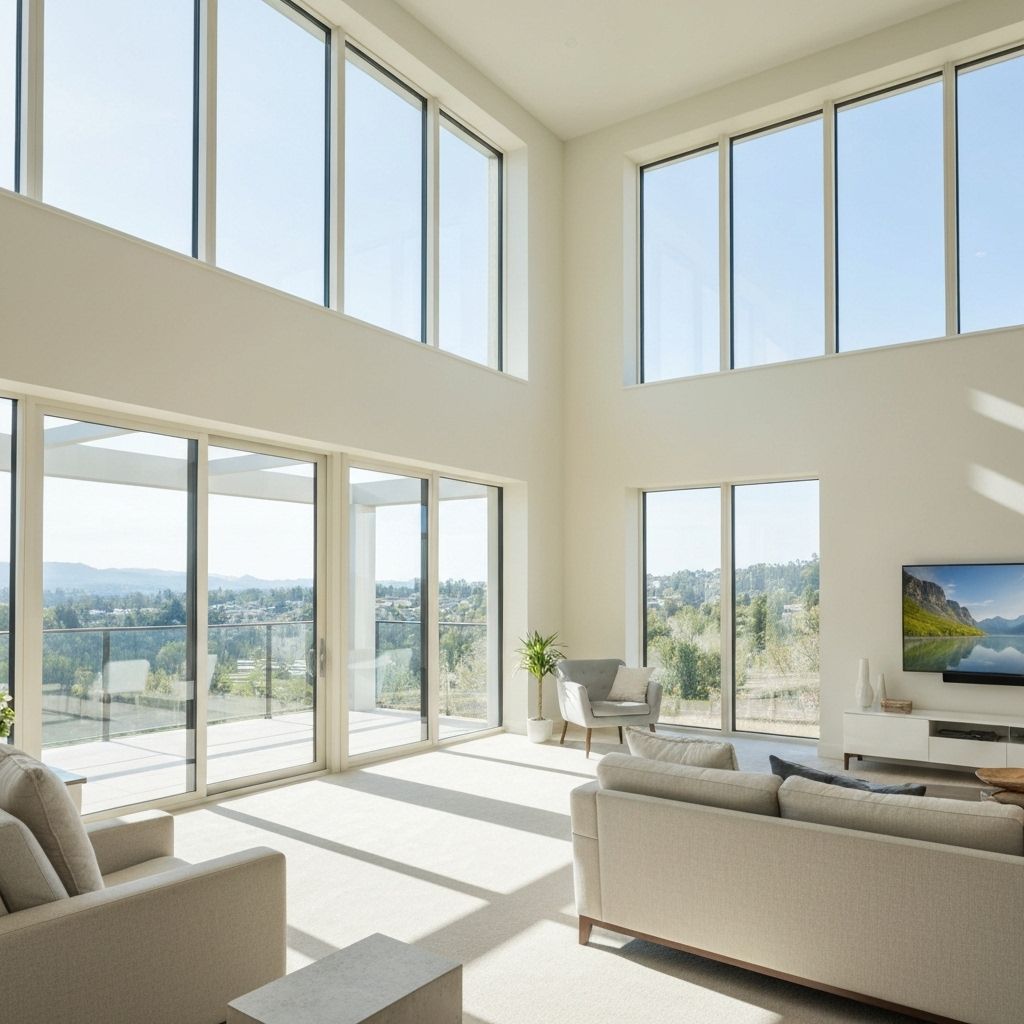
With energy costs rising and North Carolina's hot, humid summers, many Triangle-area homeowners are looking for ways to reduce their utility bills. The good news? Several home improvements can dramatically cut energy consumption while increasing comfort and home value.
After consulting with hundreds of Raleigh and Durham homeowners, I've identified the five upgrades that deliver the biggest impact on energy efficiency and ROI.
The Energy Efficiency Opportunity in NC
North Carolina's climate creates unique challenges:
- Summer cooling costs account for 40-60% of energy bills
- High humidity makes HVAC systems work harder
- Temperature swings stress heating and cooling systems
- Aging homes (many built before modern energy codes)
The average Raleigh-Durham household spends $1,800-2,400 annually on energy. Strategic upgrades can reduce this by 20-40%.
Top 5 Energy-Efficient Home Upgrades
1. Energy-Efficient Windows (25-30% Energy Savings)
Why it matters: Windows account for 25-30% of heating and cooling energy loss. Old, single-pane windows are essentially holes in your home's thermal envelope.
What to upgrade to:
- Double-pane windows with Low-E coating
- Argon gas fill
- Vinyl or fiberglass frames
- U-factor ≤ 0.30
- SHGC (Solar Heat Gain Coefficient) ≤ 0.30
Typical cost: $400-700 per window installed
Annual savings: $200-500 on energy bills
ROI: 60-80% at resale
NC incentives:
- Federal tax credit: Up to 30% of cost (up to $600 annually)
- Duke Energy rebates: $50-150 per window (for qualifying ENERGY STAR models)
Real example: A Raleigh homeowner replaced 15 windows in their 2,000 sq ft ranch. Cost: $9,500. Energy savings: $420/year. Duke Energy rebate: $750. Federal tax credit: $600. Effective payback: 18 years.
2. Attic Insulation Upgrade (15-20% Energy Savings)
Why it matters: Heat rises. In summer, your attic can reach 150°F, turning your home into an oven. In winter, heat escapes through inadequate insulation.
What to upgrade to:
- Minimum R-38 for NC (R-49 recommended)
- Blown-in fiberglass or cellulose
- Seal air leaks before adding insulation
- Ensure proper ventilation
Typical cost: $1,500-3,500 for 1,500 sq ft attic
Annual savings: $250-400 on energy bills
ROI: 100%+ (one of the best home improvements)
NC incentives:
- Federal tax credit: Up to 30% of cost (up to $1,200 annually)
- NC Energy Loan Program: Low-interest financing available
Real example: A Durham homeowner added blown-in insulation to bring their attic from R-19 to R-49. Cost: $2,200. Annual energy savings: $340. Federal tax credit: $660. Payback: 4.5 years. Plus immediate comfort improvement!
3. Smart Thermostat + HVAC Maintenance (10-15% Savings)
Why it matters: Your HVAC system is your biggest energy consumer. A smart thermostat optimizes operation and prevents waste.
What to upgrade to:
- Nest, Ecobee, or Honeywell smart thermostat
- Professional HVAC tune-up
- Regular filter changes
- Zone control if possible
Typical cost:
- Smart thermostat: $200-300 installed
- Annual HVAC maintenance: $150-200
Annual savings: $180-300 on energy bills
ROI: Pays for itself in first year
NC incentives:
- Duke Energy rebate: $50 for qualifying smart thermostats
- Many models include self-installation
Pro tip: Set your thermostat to 78°F in summer and 68°F in winter. Each degree adjustment saves 3-5% on energy bills.
4. LED Lighting Conversion (5-10% Savings)
Why it matters: LED bulbs use 75% less energy than incandescent and last 25x longer. While lighting isn't your biggest energy user, it's the easiest and cheapest upgrade.
What to upgrade to:
- ENERGY STAR certified LED bulbs
- 2700K-3000K for warm white (living areas)
- 3500K-4100K for bright white (kitchens, baths)
- Dimmable options for flexibility
Typical cost:
- $3-8 per LED bulb
- $100-200 to convert entire home
Annual savings: $100-150 on energy bills
ROI: 200%+ (extremely fast payback)
Bonus benefits:
- Bulbs last 15-25 years
- Less heat generation (reduces AC load)
- Better light quality
- Many utilities offer free LED bulb programs
5. Air Sealing and Duct Sealing (15-20% Savings)
Why it matters: Air leaks waste 25-40% of heating and cooling energy. Even with great insulation and windows, unsealed gaps let conditioned air escape.
Where to focus:
- Attic hatch and access points
- Recessed lighting fixtures
- Electrical outlets and switches
- Window and door frames
- Ductwork joints and connections
- Crawl space rim joists
What to do:
- Professional blower door test ($300-500)
- Seal with appropriate caulk or spray foam
- Duct sealing with mastic (not tape!)
- Consider professional air sealing service
Typical cost: $800-2,500 for whole-home sealing
Annual savings: $300-500 on energy bills
ROI: 2-5 year payback
NC incentives:
- Federal tax credit: Up to 30% of cost (up to $1,200 annually)
Bonus Upgrades Worth Considering
Solar Panels
- Cost: $15,000-25,000 after incentives
- Savings: $800-1,500/year
- ROI: 10-15 year payback
- Incentives: 30% federal tax credit, NC state programs
Heat Pump Water Heater
- Cost: $1,500-2,500 installed
- Savings: $300-400/year vs. electric
- ROI: 4-7 year payback
- Incentives: Federal tax credit available
Reflective Roofing
- Cost: Adds 10-15% to roof replacement
- Savings: $100-200/year
- ROI: 15-20 year payback
- Best for: Dark-colored roofs, homes with AC challenges
Creating Your Energy Efficiency Plan
Not sure where to start? Follow this priority order:
Phase 1: Quick Wins (0-6 months)
- LED lighting conversion
- Smart thermostat installation
- HVAC maintenance
- Seal obvious air leaks
Phase 2: Medium Investments (6-18 months) 5. Attic insulation upgrade 6. Air sealing and duct sealing 7. Window replacement (prioritize worst-performing windows)
Phase 3: Major Upgrades (1-3 years) 8. Complete window replacement 9. HVAC system replacement (when needed) 10. Solar panels (if financially viable)
Available NC Energy Incentives (2025)
Don't leave money on the table! Take advantage of:
Federal Tax Credits:
- Windows/doors: Up to $600/year
- Insulation: Up to $1,200/year
- Heat pumps: Up to $2,000
- Solar panels: 30% of cost
Duke Energy Rebates:
- ENERGY STAR appliances: $25-300
- Smart thermostats: $50
- Windows: $50-150 per window
- Heat pump water heaters: $750
NC State Programs:
- NC Energy Loan Program: Low-interest financing
- Property tax exemption for solar
- Sales tax exemption for solar equipment
Measuring Your Success
Track your energy usage:
- Establish a baseline: Note average monthly kWh usage
- Monitor after upgrades: Compare to previous year
- Calculate savings: Multiply kWh reduction by your rate ($0.11-0.13/kWh in NC)
- Track ROI: Calculate payback period and lifetime savings
The Comfort Factor
Energy efficiency isn't just about saving money. These upgrades dramatically improve:
- Temperature consistency: Fewer hot and cold spots
- Indoor air quality: Better filtration, less outdoor air infiltration
- Noise reduction: Better windows and insulation block sound
- Home value: Energy-efficient homes sell faster and for more
Get Started with a Home Energy Assessment
Not sure which upgrades make sense for your home? A professional energy audit can identify your biggest opportunities.
What's included:
- Blower door test to find air leaks
- Thermal imaging to identify insulation gaps
- HVAC efficiency testing
- Prioritized recommendations with ROI analysis
Cost: $300-500 (often rebated by utility companies)
Professional Installation Makes the Difference
While some upgrades are DIY-friendly (LED bulbs, smart thermostats), others require professional installation:
- Windows must be properly flashed and sealed
- Insulation needs correct density and coverage
- Air sealing requires identifying all leak points
- HVAC work requires licensing
Poor installation can negate energy savings and cause damage.
Ready to Cut Your Energy Bills?
At Home Solutions NC, we specialize in energy-efficient upgrades for Triangle-area homes. Whether you want to start with windows, boost your insulation, or plan a comprehensive efficiency overhaul, we can help.
Ready to save money and improve comfort? Get your free energy efficiency consultation today and discover how much you can save.
Energy savings estimates based on typical Raleigh-Durham area homes. Actual savings vary based on home size, current efficiency, energy rates, and usage patterns. Incentive amounts subject to change; verify current offerings with providers.
Related Articles
Key Signs It's Time to Replace Your Windows
Your windows typically last 15-30 years, but certain signs indicate it's time for replacement sooner. Here's what to watch for.
Best Windows for North Carolina's Climate: Expert Guide 2025
North Carolina's unique climate demands specific window performance characteristics. Learn which window types offer the best energy efficiency, durability, and value for your home.
Entry Door Replacement Guide: Choosing the Perfect Front Door for Your NC Home
Your front door makes a powerful first impression. Discover how to choose an entry door that combines beauty, security, and energy efficiency for your North Carolina home.