
Fall Home Maintenance Guide: Preparing for NC Winter

import Image from 'next/image'
Quick Answer
Fall is critical for winter preparation in North Carolina - inspect and service heating systems, protect pipes from freeze damage, clean gutters before leaves clog them, seal drafts to reduce heating costs, and inspect roofs after summer storm season. Complete these tasks September-November before the first freeze (typically mid-November to December).
Bottom line: Eight hours of fall maintenance prevents frozen pipes ($2,000-8,000 damage), heating system failures, and reduces winter energy costs 15-25%.
Why Fall Maintenance Matters in NC
North Carolina's fall (September-November) creates a critical preparation window before winter:
Temperature Swings:
- September: Still 80-90°F
- October: 60-75°F (ideal maintenance weather)
- November: 40-65°F
- December: First freezes (25-32°F)
Key Dates:
- First frost: Mid-November (Triangle), late November (Fayetteville)
- First freeze: Late November to early December
- Coldest months: January-February (lows 20-32°F)
Why act in fall:
- HVAC companies available (less busy than spring or winter emergency season)
- Mild weather ideal for outdoor projects
- Catch summer storm damage before winter moisture worsens it
- Prepare before heating season drives up energy use
Heating System Preparation
Professional HVAC Inspection (Do in September-October)
Why fall service matters:
- Furnace failures peak in December-January (coldest months)
- Service calls during cold snaps book 1-2 weeks out
- Emergency repairs cost 2-3x normal rates
- Carbon monoxide risks from damaged heat exchangers
Professional service includes:
- Heat exchanger inspection (cracked exchangers leak carbon monoxide)
- Burner cleaning and adjustment
- Blower motor and belt inspection
- Ductwork leak testing
- Thermostat calibration
- Safety controls testing
- Gas line leak check (if gas furnace)
Cost: $100-175 for fall tune-up.
Payback: 10-15% efficiency improvement = $75-150 annual savings. Prevents $300-2,000 emergency repairs.
DIY Heating Maintenance
Before heating season:
- Replace furnace filter (then monthly during heating season)
- Vacuum supply and return vents
- Clear furniture/drapes from vents (improves airflow)
- Test thermostat (switch to heat mode, verify operation)
- Check pilot light (if gas furnace - should be blue flame)
Safety checks:
- Install/test carbon monoxide detectors (one per floor minimum)
- Clear area around furnace (3 feet clearance)
- Check exhaust vent termination (outdoor) is clear
- Inspect gas line connections for leaks (soapy water test)
Red flags - call professional:
- Yellow or orange pilot light flame (should be blue)
- Soot around furnace
- Strange odors when heating runs
- Excessive rust on heat exchanger
- Furnace cycles on/off frequently
Programmable Thermostat Settings
Winter heating settings:
- Home/awake: 68-70°F
- Away (8+ hours): 62-65°F
- Night/sleeping: 65-68°F
Savings: Each degree below 70°F saves 3-5% on heating costs.
Avoid: Setting thermostat very low then cranking up. Furnaces don't heat faster at higher settings - you just overshoot and waste energy.
Backup Heating Considerations
Power outages: Ice storms and winter weather can cause multi-day outages.
Options:
- Fireplace/wood stove: Can heat 800-1,500 sq ft. Have chimney inspected annually ($100-200).
- Portable generators: Size for essentials (furnace, fridge, lights). 5,000-7,000 watts sufficient. Cost: $500-1,500.
- Space heaters: Emergency only. Never leave unattended. Keep 3 feet from combustibles.
Safety: Install carbon monoxide and smoke detectors. Never run generators indoors or in garages.
Preventing Frozen Pipe Damage
NC freeze risk: While rare, hard freezes (20-25°F for 6+ hours) can burst pipes. Damage averages $5,000-10,000.
Vulnerable Areas
Highest risk:
- Outdoor faucets and hose bibs
- Pipes in crawl spaces and attics
- Pipes in exterior walls (north side especially)
- Unheated garages, basements
- Swimming pool equipment
Freeze Protection Measures
Outdoor faucets (critical):
- Disconnect and drain garden hoses (trapped water freezes and bursts faucet)
- Shut off indoor valves to outdoor faucets
- Drain outdoor faucets completely
- Install insulated faucet covers ($5-15 each)
Exposed pipes:
- Wrap with foam pipe insulation ($1-2 per 6-foot section)
- Focus on pipes in crawl spaces, attics, garages
- Seal gaps where pipes penetrate exterior walls
- Keep cabinet doors open during freezes (allows warm air circulation)
Crawl space protection:
- Seal vents for winter (if you have them)
- Insulate floor above crawl space
- Consider heat tape on pipes if severe freeze risk
Cost: Full pipe insulation for typical home: $100-300 (DIY), $300-600 (professional).
During Freeze Events (When Temps Drop Below 28°F)
Preventive actions:
- Let faucets drip (moving water doesn't freeze)
- Open cabinet doors under sinks
- Keep thermostat at 55°F minimum if away
- Circulate heated air to all rooms
If pipes freeze:
- Shut off water main to prevent flooding when pipes thaw
- Open faucets to relieve pressure
- Apply heat (hair dryer, heat lamp, space heater - NOT torch)
- Call plumber if you can't locate freeze or thaw it safely
Emergency repair cost: $500-2,000 for burst pipe repair, $2,000-8,000 for water damage restoration.
Gutter & Drainage Maintenance
Fall Gutter Cleaning (Most Important Season)
Why fall matters: NC's deciduous trees drop leaves October-December. Clogged gutters cause:
- Ice dams during freezes
- Water backup under shingles
- Foundation damage from overflows
- Fascia board rot
When to clean:
- Early November: After most leaves fall but before freezes
- Or twice: Mid-October and late November (if heavy tree coverage)
DIY vs Pro:
- DIY: Single-story homes with ladder safety comfort
- Pro: Two-story, steep roofs, or heavy leaf accumulation ($150-350)
Gutter Guards
Best time to install: Fall (after final cleaning).
Benefits:
- Reduces gutter cleaning to once every 2-3 years
- Prevents ice dams (water flows freely)
- Protects fascia from overflow damage
Cost: $7-20 per linear foot installed.
Payback: 3-5 years in reduced cleaning costs and prevented damage.
Downspout Extensions
Critical in winter: Downspouts must direct water 5+ feet from foundation. Water pooling near foundation freezes, causing:
- Foundation cracks (freeze/thaw cycles)
- Basement flooding (when ice melts)
- Erosion
Solutions:
- Flexible downspout extensions: $10-30 each (DIY)
- Underground drainage pipes: $15-35 per linear foot (professional)
- Splash blocks: $8-15 each (temporary solution)
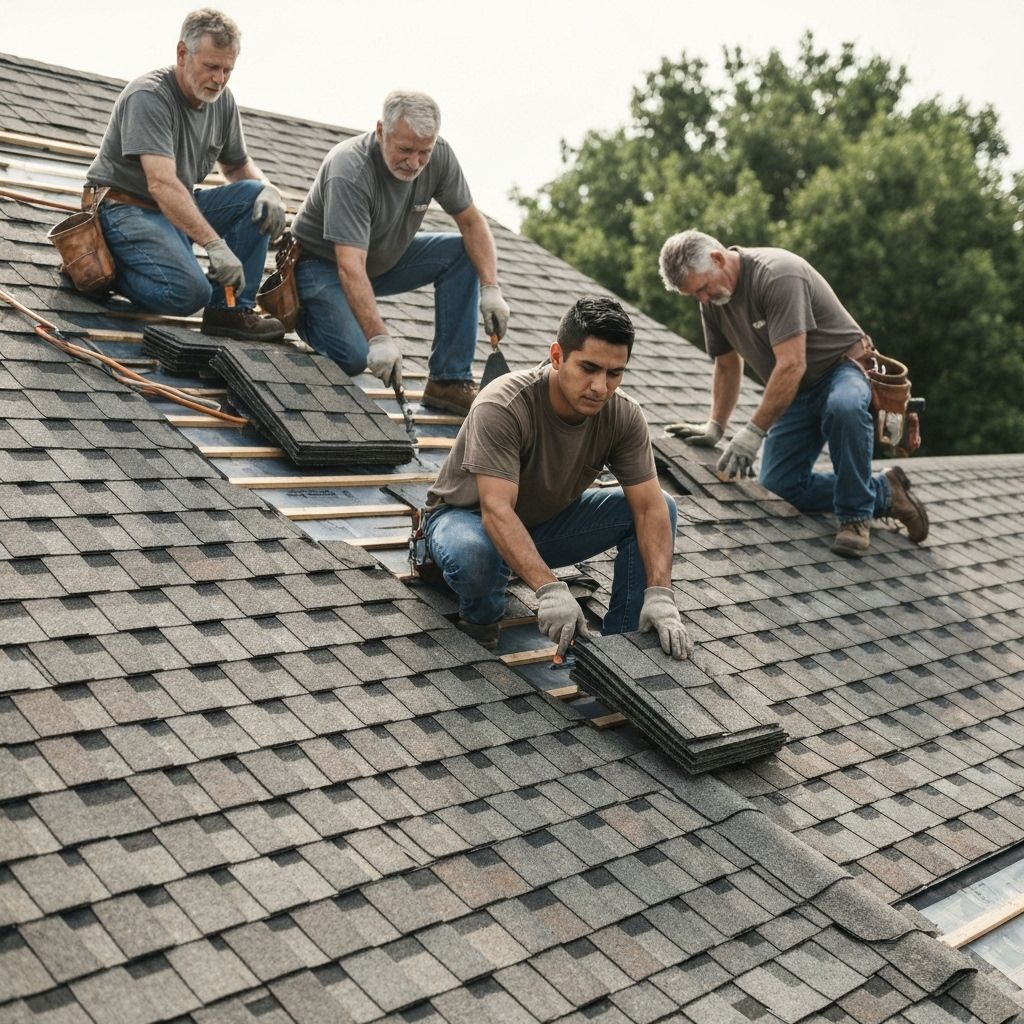
Roof Inspection & Repairs
Post-Summer Storm Assessment
Why now: Summer storms damage shingles. Small damage worsens over winter with freeze/thaw and ice.
What to look for:
- Missing or damaged shingles (from wind)
- Granule loss (from hail or age)
- Lifted shingles around edges
- Cracked or curled shingle corners
- Damaged flashing around chimneys, vents
- Clogged roof valleys (where two slopes meet)
Inspection method:
- From ground with binoculars: Check all four sides
- Professional roof walk: $0-150 (we offer free inspections)
Red flags requiring immediate repair:
- Missing shingles (water intrusion risk)
- Damaged flashing (leak-prone)
- Sagging areas (structural damage)
- Visible cracks or holes
Cost to delay: Small leak over winter = $500-2,000 in water damage by spring.
Chimney & Fireplace Prep
If you have a fireplace:
- Chimney inspection and cleaning: $100-300 (annually before use)
- Check damper operation (should seal tightly when closed)
- Inspect chimney cap (keeps out rain, animals)
- Check for creosote buildup (fire hazard)
- Test smoke detector in bedroom nearest fireplace
Gas fireplaces:
- Professional inspection: $75-150
- Check pilot light and gas connections
- Clean glass and burner
- Test remote/thermostat controls
Weatherization & Air Sealing
Draft Detection & Sealing
Heat loss in NC homes: 30-40% through air leaks (doors, windows, attic, basement).
High-priority areas:
- Windows and doors (feel for drafts on windy day)
- Attic access hatches (major heat loss point)
- Electrical outlets on exterior walls
- Where pipes/wires enter house
- Basement rim joists
- Recessed lighting in ceilings
Solutions:
- Caulk window/door frames: $5-10 per tube (DIY)
- Weatherstrip doors: $20-40 per door (DIY)
- Outlet gaskets: $0.50 per outlet (foam inserts)
- Attic hatch insulation: $30-50 (foam board + weatherstrip)
Cost for whole-house sealing: $200-500 (DIY), $500-1,200 (professional energy audit + sealing).
Savings: $200-500/year on heating costs. Payback: Under 2 years.
Window Treatments
Heat loss through windows: 25-30% of winter heating load.
Effective treatments:
- Cellular (honeycomb) shades: Trap air, reduce loss 20-40%
- Insulated curtains: Heavy fabric with thermal backing
- Window film: Low-E film reduces heat loss 10-20%
Cheapest option: Heavy curtains closed at night (when coldest).
Savings: $75-200/year with strategic window treatments.
Attic Insulation
NC recommendation: R-38 to R-49 (12-16 inches of insulation).
Check yours:
- Go to attic (with flashlight)
- Measure insulation depth
- If less than 10 inches, consider upgrading
Benefits:
- Reduces heating costs 15-30%
- Reduces cooling costs 10-20% (year-round savings)
- Pays for itself in 3-5 years
Cost: $1.50-3.50 per square foot for blown-in insulation.
Note: Don't cover soffit vents with insulation (blocks airflow).
Exterior Maintenance
Lawn & Landscape
Fall tasks:
- Final mowing: November (cut to 2-3 inches)
- Fertilize: Late September to October (winterizes grass)
- Aerate and overseed: September-October (best results)
- Trim dead branches from trees (prevent winter storm damage)
- Mulch flower beds (protects perennials)
Tree trimming priority:
- Dead or damaged branches (fall during ice/snow)
- Branches overhanging roof (ice buildup risks)
- Branches near power lines
Cost: Tree trimming: $200-800 per tree.
Storm damage prevented: $2,000-15,000 from fallen trees/branches.
Deck & Patio Winterization
Wood decks:
- Clean thoroughly (prevents mold over winter)
- Inspect for loose boards, protruding nails
- Apply sealer if needed (every 2-3 years)
- Store deck furniture or cover it
Composite decks:
- Clean with deck cleaner
- Inspect for loose screws
- Remove leaves from between boards (traps moisture)
Patios:
- Power wash concrete/pavers
- Fill cracks (prevent freeze damage expansion)
- Store or cover patio furniture
Cost: Deck sealing: $300-800 (pro), $100-200 (DIY).
Exterior Paint Inspection
Check for:
- Peeling or bubbling paint (water intrusion risk)
- Bare wood (needs immediate painting)
- Caulk gaps around trim and siding
Why inspect in fall: Small paint failures over winter become major spring repairs.
When to paint: October in NC (last month with ideal temps before frost).
Month-by-Month Fall Checklist
September (Early Fall)
- Schedule HVAC professional servicing
- Replace furnace filter
- Test heating system operation
- Fertilize lawn
- Inspect roof for summer storm damage
October (Mid Fall)
- Clean gutters (or first of two cleanings)
- Inspect and seal air leaks
- Drain and store garden hoses
- Trim trees near house
- Test smoke and CO detectors
- Exterior paint touchup if needed
November (Late Fall)
- Final gutter cleaning (after leaves fall)
- Insulate outdoor faucets
- Shut off outdoor water valves
- Wrap exposed pipes in crawl space/attic
- Install storm windows if you have them
- Stock emergency supplies (flashlights, batteries, water)
- Service fireplace/chimney if applicable
Emergency Preparedness
Winter Storm Kit
Essentials:
- Flashlights and batteries (multiple per household)
- Battery-powered or hand-crank radio
- Water (1 gallon per person per day x 3 days)
- Non-perishable food (3-day supply)
- First aid kit
- Medications (7-day supply)
- Blankets and warm clothing
- Cash ($200-500 - ATMs fail during outages)
Home-specific:
- Rock salt or ice melt ($15-30 per bag)
- Snow shovel (even in NC - ice storms happen)
- Generator + fuel (if you have one)
- Extra furnace filters
- Plumber's phone number (frozen pipe emergency)
Ice Storm Preparation
NC ice storms: Occur every 2-3 years. Can cause multi-day power outages.
Before storm:
- Charge all devices
- Fill bathtubs with water (if water system fails)
- Bring in firewood (if applicable)
- Stock up on groceries
- Fill gas tank in vehicles
- Know location of water shut-off valve
During outage:
- Use fireplace or space heaters safely
- Never run generator indoors or in garage
- Open cabinet doors to prevent pipe freezing
- Let faucets drip if heat fails
- Stay warm with layers, blankets
After storm:
- Check for frozen/burst pipes
- Document any damage with photos
- Don't use generator when power returns (disconnect first)
When to Call a Professional
Call Home Solutions NC if:
- Your roof is 15+ years old (pre-winter assessment)
- You see damaged, missing, or lifted shingles
- Your heating costs have increased significantly
- Windows have broken seals or won't close properly
- Gutters are sagging or pulling away from house
- You need fall maintenance but lack time or tools
We provide:
- Free roof and exterior inspections
- Post-summer storm damage assessment
- Written estimates for winter-prep repairs
- 240-month financing for unexpected repairs
- Gutter cleaning and guard installation
- Window and door replacement
Call (910) 302-0350 or request a free fall inspection.
Fall Maintenance FAQs
When should I schedule furnace service?
September or early October - before heating season and before HVAC companies get busy with emergency calls.
How often should I clean gutters in fall?
Once if light tree coverage (early November). Twice if heavy trees (mid-October and late November).
When is the first freeze in NC?
Triangle: Mid to late November. Fayetteville: Late November to early December. Protect pipes by mid-November.
Do I need to winterize outdoor faucets in NC?
Yes - even mild winters have occasional hard freezes (below 28°F) that burst unprotected faucets.
What temperature should I keep my heat at when away?
Minimum 55-60°F to prevent pipe freezing. Lower risks frozen pipes in exterior walls.
Should I close crawl space vents for winter?
Yes in NC - closing vents protects pipes and reduces heat loss through floors. Reopen in spring.
Fall maintenance prevents winter emergencies and reduces heating costs. Focus on heating system prep, freeze protection, gutter cleaning, and air sealing for maximum benefit.
Need professional help? We offer free fall inspections for roofs, gutters, windows, doors, and winter-prep assessments throughout Fayetteville, Raleigh, Durham, and the Triangle.
Schedule Your Free Fall Inspection or call (910) 302-0350 to prepare your home for winter.
Related Articles

Spring Home Maintenance Checklist for NC Homeowners
Complete spring maintenance checklist for North Carolina homes. Inspect roof, clean gutters, check HVAC, and prepare your home for summer storms and heat.

How to Prepare Your NC Home for Summer Heat and Storms
Prepare your North Carolina home for summer's extreme heat and severe storm season. HVAC prep, roof protection, storm readiness, and energy-saving tips for May-September.
Fayetteville Storm Damage Insurance Claims: Complete Guide for Homeowners
How to file storm damage insurance claims in Fayetteville, NC. Timeline, documentation, adjuster process, what's covered for roof, siding, window hail and wind damage.