
Complete Guide to Gutter Installation and Maintenance in North Carolina
Protect your Fayetteville home from water damage with proper gutter installation and maintenance. Learn about gutter types, costs, maintenance schedules, and warning signs of gutter failure.
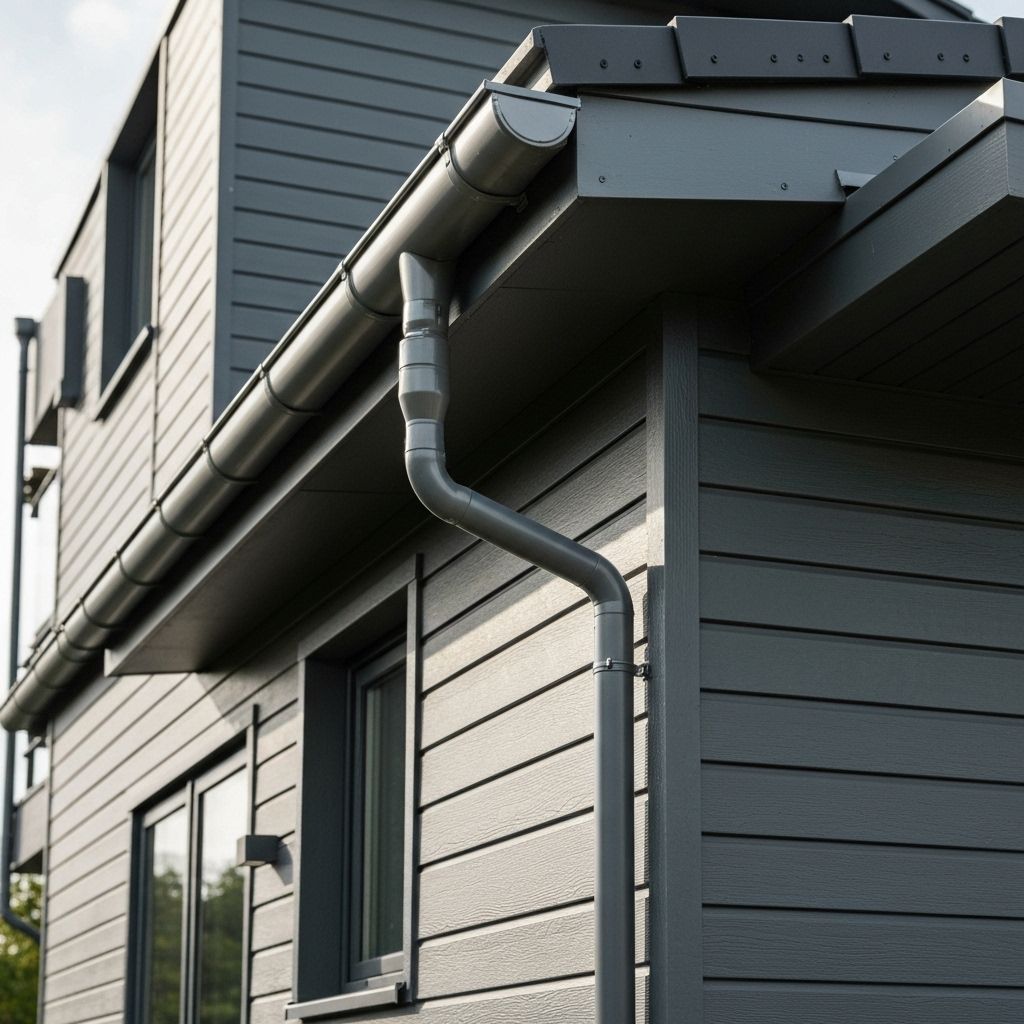
Most homeowners don't think about their gutters until water is pouring over the sides or they notice foundation cracks. But your gutter system is one of your home's most critical components, protecting against thousands of dollars in water damage.
After installing gutters on hundreds of Fayetteville homes, I've seen firsthand how proper gutter selection and maintenance can prevent costly repairs.
Why Gutters Matter in North Carolina
North Carolina receives 40-50 inches of rainfall annually—significantly more than the national average. Combined with our humid climate and occasional hurricanes, effective water management is essential.
Types of Gutters for NC Homes
Seamless Gutters (Most Popular)
What they are: Custom-fabricated on-site to your exact measurements with no seams except at corners.
Advantages:
- Fewer leak points
- Custom fit to your home
- Available in multiple colors
- Professional appearance
- 20-30 year lifespan
Cost: $6-12 per linear foot installed
Best for: Most North Carolina homes
Sectional Gutters
What they are: Pre-cut sections joined together during installation.
Advantages:
- Lower upfront cost
- DIY-friendly installation
- Easy to repair individual sections
Disadvantages:
- More seams = more potential leaks
- Requires more maintenance
- Shorter lifespan (10-15 years)
Cost: $3-8 per linear foot
Best for: Budget-conscious homeowners, temporary solutions
Gutter Materials Compared
Aluminum (Most Common)
- Pros: Won't rust, lightweight, paintable, affordable
- Cons: Can dent from hail or ladders
- Lifespan: 20-30 years
- Cost: $6-12/ft
Copper (Premium)
- Pros: Beautiful patina, extremely durable, won't rust
- Cons: Expensive, requires specialized installation
- Lifespan: 50+ years
- Cost: $25-40/ft
Steel (Heavy-Duty)
- Pros: Very strong, handles heavy water flow
- Cons: Can rust without proper coating
- Lifespan: 20-25 years
- Cost: $8-15/ft
Vinyl (Budget)
- Pros: Inexpensive, won't rust, easy DIY
- Cons: Cracks in cold, warps in heat, limited colors
- Lifespan: 10-15 years
- Cost: $3-6/ft
Gutter Sizing: What You Need
Standard Gutter Sizes
5-inch K-style (Most Common)
- Perfect for most single-story and two-story homes
- Handles typical NC rainfall
- Standard for residential construction
6-inch K-style (Heavy Duty)
- Better for steep roofs or heavy rain areas
- Recommended for homes with large roof areas
- Reduces overflow during storms
Downspout Considerations
Sizing:
- 2x3 inch for 5-inch gutters
- 3x4 inch for 6-inch gutters
- One downspout per 30-40 feet of gutter
Placement:
- Never drain onto walkways or driveways
- Extend at least 6-10 feet from foundation
- Consider underground drainage for optimal protection
Installation Costs in Fayetteville
For a typical 1,500-2,000 sq ft home (150-200 linear feet):
Basic Package (Aluminum Seamless):
- Gutters: $900-1,800
- Downspouts: $200-400
- Guards: $300-600 (optional)
- Total: $1,100-2,400
Premium Package (Heavy-Duty):
- 6-inch aluminum or steel
- Extra downspouts
- Gutter guards included
- Total: $2,000-3,500
Factors affecting cost:
- Home height (single vs. two-story)
- Roof complexity
- Number of corners and downspouts
- Gutter guard type
- Material choice
Gutter Guards: Worth It?
Gutter guards reduce cleaning frequency but aren't maintenance-free.
Types of Gutter Guards
Mesh/Screen Guards ($1-3/ft)
- Pros: Affordable, easy to install
- Cons: Can trap small debris, may need replacement
Reverse Curve Guards ($3-6/ft)
- Pros: Very effective, handles heavy rain
- Cons: Visible from ground, expensive
Foam Inserts ($2-4/ft)
- Pros: Inexpensive, easy DIY
- Cons: Can trap debris, needs replacement
Micro-Mesh Guards ($6-10/ft)
- Pros: Best debris protection, durable
- Cons: Most expensive, professional installation
Essential Gutter Maintenance
Cleaning Schedule
Twice per year minimum:
- Late spring (after pollen and seed pods)
- Late fall (after leaves drop)
Extra cleanings if you have:
- Pine trees nearby (3-4 times/year)
- Oak trees (add one extra fall cleaning)
- Severe storms (inspect after each)
DIY Cleaning Steps
- Safety first: Use sturdy ladder, have spotter, wear gloves
- Remove debris: Scoop out leaves and buildup
- Flush with hose: Check for clogs, ensure proper flow
- Inspect while cleaning: Look for damage, rust, loose hangers
- Check downspouts: Ensure water flows freely
Professional Cleaning
Cost: $100-250 for typical home
Includes:
- Complete debris removal
- Downspout flushing
- Basic inspection
- Minor adjustments
When to hire professionals:
- Two-story or taller homes
- Steep roof pitch
- Not comfortable on ladders
- Significant tree coverage
Warning Signs Your Gutters Need Repair or Replacement
Immediate Action Required:
-
Sagging or pulling away from house
- Indicates failed hangers or fascia damage
- Can cause water to pour behind gutter
- Fix immediately to prevent further damage
-
Water marks under gutters
- Shows overflow or leaks
- Can rot fascia and soffit
- Check for clogs or improper pitch
-
Cracks or holes
- Small cracks become big problems
- Can often be patched if caught early
- Multiple cracks = replacement time
-
Rust or corrosion
- Indicates end of gutter lifespan
- Will only get worse
- Plan for replacement soon
-
Peeling paint or rotting fascia
- Sign of long-term water exposure
- Requires fascia repair + new gutters
- Don't delay—structural damage possible
Consider Replacement When:
- Gutters are 20+ years old
- Multiple sections need repair
- Rust or corrosion is widespread
- Seams are failing in multiple locations
- Frequent clogs despite cleaning
Proper Gutter Pitch and Installation
What this means:
- For a 40-foot run, gutters should drop 2.5-5 inches
- Too flat: Water pools, breeds mosquitoes
- Too steep: Looks bad, water rushes past downspouts
Installation Quality Checklist
- Proper slope toward downspouts
- Secured with hangers every 24-30 inches
- Seams sealed with quality sealant
- Downspouts secured to home
- Extensions direct water away from foundation
- End caps properly sealed
- No low spots where water can pool
Preventing Gutter Problems
Year-Round Maintenance
Spring:
- Clean after pollen season
- Check for winter damage
- Ensure proper drainage from snowmelt
Summer:
- Inspect for storm damage
- Trim overhanging branches
- Check for nesting insects
Fall:
- Clean before and after leaves drop
- Prepare for winter freezing
- Ensure downspouts are clear
Winter:
- Watch for ice dams
- Clear snow from gutters when safe
- Check for damage after freezes
Preventive Measures
- Trim trees: Keep branches 10+ feet from roof
- Install gutter guards: Reduce debris accumulation
- Extend downspouts: Prevent foundation issues
- Fix minor issues immediately: Small repairs prevent big problems
- Schedule professional inspections: Annual or bi-annual checkups
DIY vs. Professional Installation
When DIY Makes Sense:
- Single-story home with simple roofline
- Comfortable working on ladders
- Have helper available
- Using sectional gutters
- Budget is primary concern
When to Hire Professionals:
- Two-story or complex roofline
- Seamless gutters desired
- Safety concerns
- Need warranty protection
- Want perfect pitch and alignment
Gutter Extras Worth Considering
Downspout Extensions
- Cost: $10-50 each
- Benefit: Directs water 6-10 feet from foundation
- ROI: Excellent—prevents costly foundation issues
Underground Drainage
- Cost: $500-2,000 installed
- Benefit: Completely hidden, maximum foundation protection
- Best for: Homes with drainage issues or on slopes
Heat Cables
- Cost: $300-800 installed
- Benefit: Prevents ice dams in winter
- Best for: Homes with ice dam history
Rain Chains
- Cost: $50-300
- Benefit: Decorative downspout alternative
- Note: Mostly aesthetic, less functional in heavy rain
Common Gutter Problems and Solutions
Problem: Water Overflowing
Causes: Clogs, improper pitch, undersized gutters Solution: Clean gutters, adjust pitch, or upgrade to 6-inch
Problem: Leaking at Seams
Causes: Failed sealant, age, expansion/contraction Solution: Clean and reseal, or replace with seamless
Problem: Gutters Pulling Away
Causes: Too few hangers, rotted fascia, weight of debris Solution: Add hangers, repair fascia, clean regularly
Problem: Ice Dams
Causes: Poor attic insulation, heat loss from home Solution: Improve insulation, add heat cables if needed
Red Flags When Hiring a Contractor
Avoid contractors who:
- Don't provide written estimates
- Require large deposits upfront
- Aren't licensed and insured
- Can't provide references
- Push you to decide immediately
- Quote significantly lower than others
Questions to Ask Your Gutter Contractor
- Are you licensed and insured in North Carolina?
- Will you pull necessary permits if required?
- What's your workmanship warranty?
- What's the manufacturer's warranty on materials?
- Can you provide recent local references?
- How do you handle unexpected repairs (rotted fascia, etc.)?
- What's the project timeline?
- Do you do the work or subcontract it?
Protect Your Investment
Gutters are one of the most cost-effective home improvements for protecting your property. Proper installation and regular maintenance will:
- Prevent foundation damage ($10,000-40,000 to repair)
- Avoid basement flooding and water damage
- Protect landscaping and hardscaping
- Prevent fascia and soffit rot
- Maintain curb appeal and home value
Professional Gutter Installation in Fayetteville
At Home Solutions NC, we install seamless aluminum gutters custom-fabricated on-site to fit your home perfectly. We serve Fayetteville, Raleigh, Durham, Chapel Hill, and all surrounding areas.
Our installation includes:
- Custom-fabricated seamless gutters
- Proper pitch for optimal drainage
- Quality hangers every 24 inches
- Downspout extensions
- Complete cleanup
- Workmanship warranty
Ready to protect your home? Get your free gutter estimate today and ensure your home is protected from water damage.
Costs and recommendations based on typical Fayetteville area homes and climate conditions. Your specific needs may vary. All work should be performed by licensed, insured contractors following local building codes.
Related Articles
Vinyl vs. Fiber Cement Siding: Which Is Right for Your NC Home?
Vinyl and fiber cement are the two most popular siding choices for North Carolina homes. Here's how they compare in cost, durability, and maintenance.

When to Replace Your Roof in Fayetteville, NC: Warning Signs You Can't Ignore
Your roof is your home's first line of defense. Discover the 7 warning signs that indicate it's time for a replacement, plus what to expect in terms of cost and timeline in Fayetteville.
James Hardie vs Vinyl Siding: Complete Cost and Performance Comparison for NC
Detailed comparison of James Hardie fiber cement vs vinyl siding costs, lifespan, maintenance, and performance in North Carolina climate. Which is better for your home?