
James Hardie vs. Vinyl Siding: Cost Comparison 2024
Quick Answer
James Hardie fiber cement siding typically costs 2-3x more upfront than vinyl, but lasts 30-50 years (vs. 20-30 for vinyl), requires less maintenance, and adds more resale value. Over a 30-year period, James Hardie often costs less when factoring in replacements, repairs, and energy savings.
Bottom line: If you plan to stay in your home 10+ years or want maximum curb appeal and durability, James Hardie delivers better value despite higher upfront cost. Vinyl makes sense for tight budgets or shorter ownership timelines. Contact us for a free quote to get exact pricing for your project.
Upfront Cost Comparison
James Hardie Fiber Cement
Average home (2,400 sq ft): Costs vary based on home size, complexity, and product selection
- Requires specialized installation by certified contractors
- Premium materials with 30-year non-prorated warranty
- ColorPlus pre-finished options available
- Investment: Typically 2-3x more than vinyl upfront
Vinyl Siding
Average home (2,400 sq ft): Most budget-friendly siding option
- Standard installation process
- Lower material costs
- Wide variety of styles and colors
- Investment: Most economical initial cost
Get accurate pricing: Project costs vary significantly based on home size, existing siding removal, repairs needed, and product selection. Contact us for a free estimate with exact pricing for your home.
30-Year Total Cost of Ownership
James Hardie (30 Years)
- Initial installation: $26,400 (2,400 sq ft average)
- Painting (every 15 years): $4,800 x 2 = $9,600
- Repairs (minimal): $500
- 30-year total: $36,500
Vinyl Siding (30 Years)
- Initial installation: $13,200 (2,400 sq ft average)
- Repairs (cracking, warping): $2,000
- Replacement (year 20-25): $15,000
- 30-year total: $30,200-$31,200
With energy savings factored in (James Hardie's better R-value reduces cooling costs $15-30/month), the gap narrows or flips in James Hardie's favor.
Durability & Lifespan
James Hardie Fiber Cement
- Lifespan: 30-50 years (often 50+ with proper maintenance)
- Impact Resistance: Won't crack from hail, won't dent from impacts
- Fire Resistance: Non-combustible, earns insurance discounts
- Moisture Resistance: Won't rot, warp, or swell
- UV Resistance: ColorPlus technology baked-on finish resists fading
Vinyl Siding
- Lifespan: 20-30 years (varies significantly by quality)
- Impact Resistance: Cracks from hail, dents from impacts
- Fire Resistance: Melts at high temperatures
- Moisture Resistance: Excellent (won't rot)
- UV Resistance: Fades over time, especially dark colors in NC sun
Maintenance Requirements
James Hardie
- Painting: Every 12-15 years (factory ColorPlus lasts longer)
- Cleaning: Annual power wash (low pressure)
- Repairs: Rare; individual planks can be replaced if damaged
- Annual Cost: ~$50-100 in cleaning/maintenance
Vinyl Siding
- Cleaning: Annual power wash to prevent algae/mildew
- Repairs: Replace cracked/damaged panels as needed
- Fading: Accept it or replace entire sections for color match
- Annual Cost: ~$30-80 in cleaning/minor repairs
Resale Value & ROI
James Hardie
- ROI: 75-85% cost recovery at resale
- Curb Appeal: Significantly improves home appearance
- Buyer Preference: Homebuyers in $300K+ price range expect fiber cement
Vinyl Siding
- ROI: 70-80% cost recovery at resale
- Curb Appeal: Modern vinyl looks good, but can't match fiber cement's depth
- Buyer Preference: Acceptable in entry-level markets ($200-300K)
Energy Efficiency
James Hardie
- R-Value: 0.37 (1/2" thick plank)
- With Foam Backing: R-Value increases to 2-3
- Cooling Cost Reduction: 8-15% when combined with proper insulation
Vinyl Siding
- R-Value: 0.61 (standard hollow vinyl)
- Insulated Vinyl: R-Value 2-2.7 (adds $1-2 per sq ft)
- Cooling Cost Reduction: 5-10% with insulated vinyl
Which Should You Choose?
Choose James Hardie if:
- You plan to stay in your home 10+ years
- Your home is valued $300K+ (matching neighborhood standards)
- Maximum durability and curb appeal matter
- You live in areas prone to hail, wind, or storm damage
- Long-term value outweighs upfront cost
Choose Vinyl Siding if:
- Your budget is tight ($10K+ price difference is significant)
- You plan to sell within 5-7 years
- Your home is in entry-level market ($200-300K)
- Immediate cost savings matter more than long-term value
North Carolina Climate Considerations
Our hot, humid summers and temperature swings create specific challenges:
- Heat & UV Exposure: James Hardie's baked-on finish resists NC sun better than vinyl. Dark vinyl colors warp in summer heat.
- Humidity & Moisture: James Hardie resists algae/mildew growth. Vinyl requires annual cleaning to prevent green staining.
- Storm Damage: James Hardie withstands hail and wind-blown debris. Vinyl cracks from hail impacts.
- Temperature Swings: James Hardie is stable. Vinyl expands/contracts significantly.
Get a Free Siding Estimate
We're James Hardie Elite Preferred contractors - the highest certification level requiring annual training and quality audits. We also install premium vinyl siding and will honestly recommend which option makes sense for your home, budget, and timeline.
Call (910) 302-0350 or request a free estimate for a detailed quote comparing both options.
We offer flexible financing options including terms up to 240 months (20 years) to make your siding project affordable. Monthly payments for a $25,000 James Hardie installation can be as low as $165/month with longer terms.
Related Articles
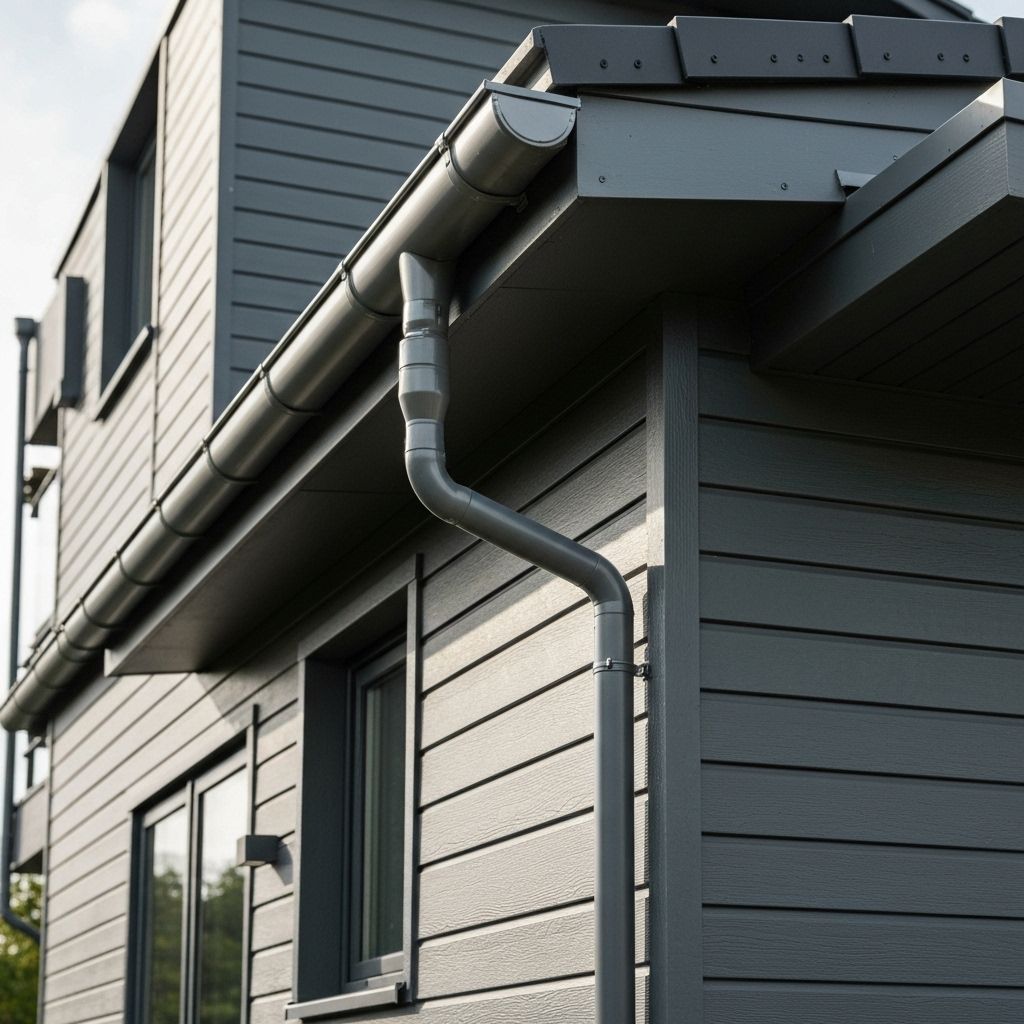
Vinyl vs. Fiber Cement Siding: Which Is Right for Your NC Home?
Vinyl and fiber cement are the two most popular siding choices for North Carolina homes. Here's how they compare in cost, durability, and maintenance.
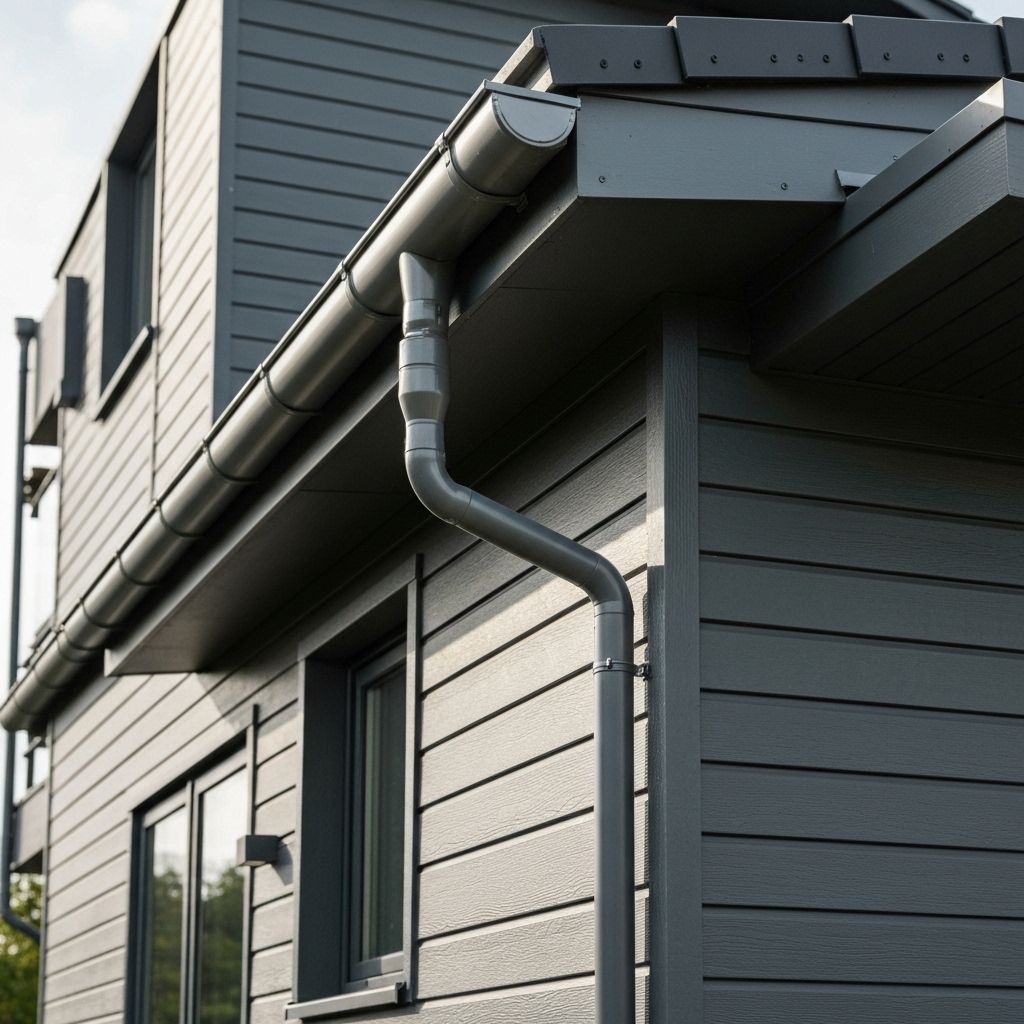
James Hardie vs Vinyl Siding: Complete Cost and Performance Comparison for NC
Detailed comparison of James Hardie fiber cement vs vinyl siding costs, lifespan, maintenance, and performance in North Carolina climate. Which is better for your home?
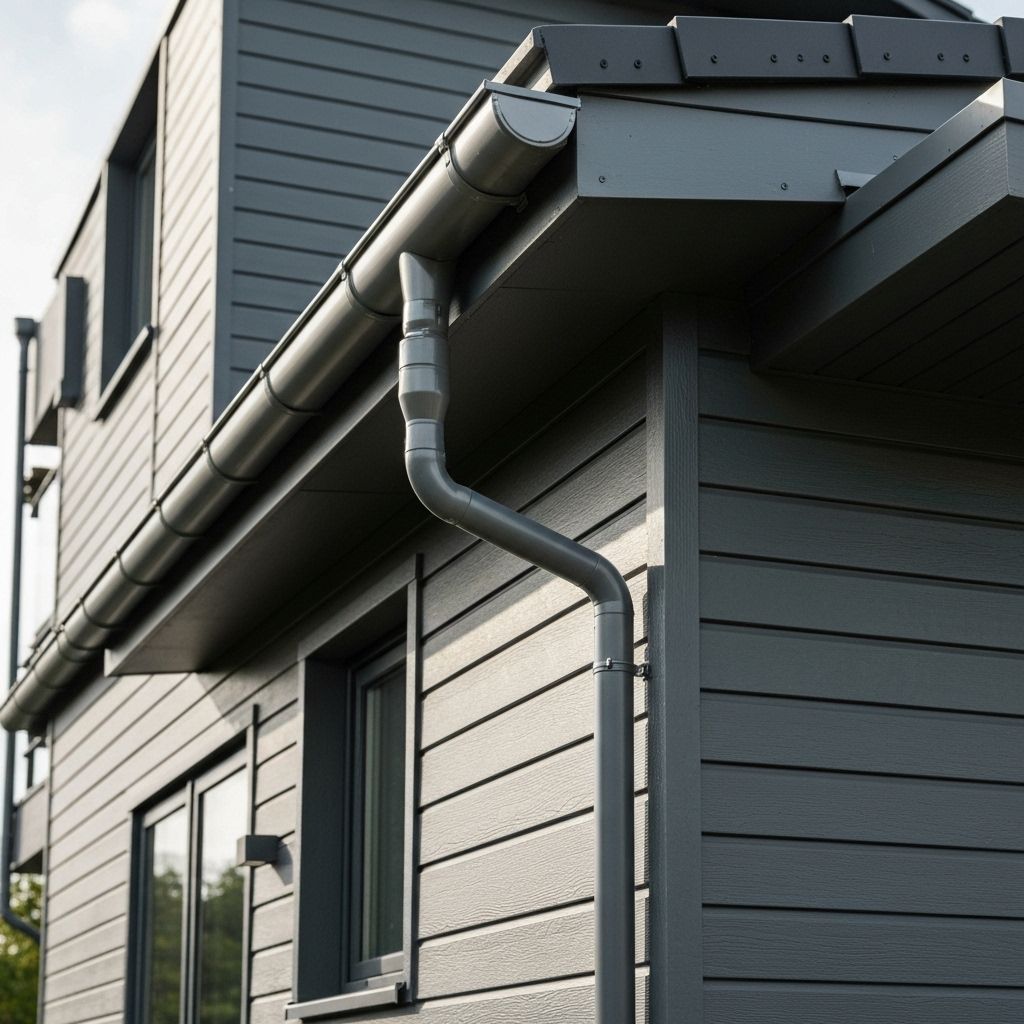
Complete Guide to Gutter Installation and Maintenance in North Carolina
Your gutters are your home's first defense against water damage. Discover everything you need to know about choosing, installing, and maintaining gutters in North Carolina's challenging climate.